Choosing a Word of Intention for the New Year: Why It Matters + How to Stay Grounded in It
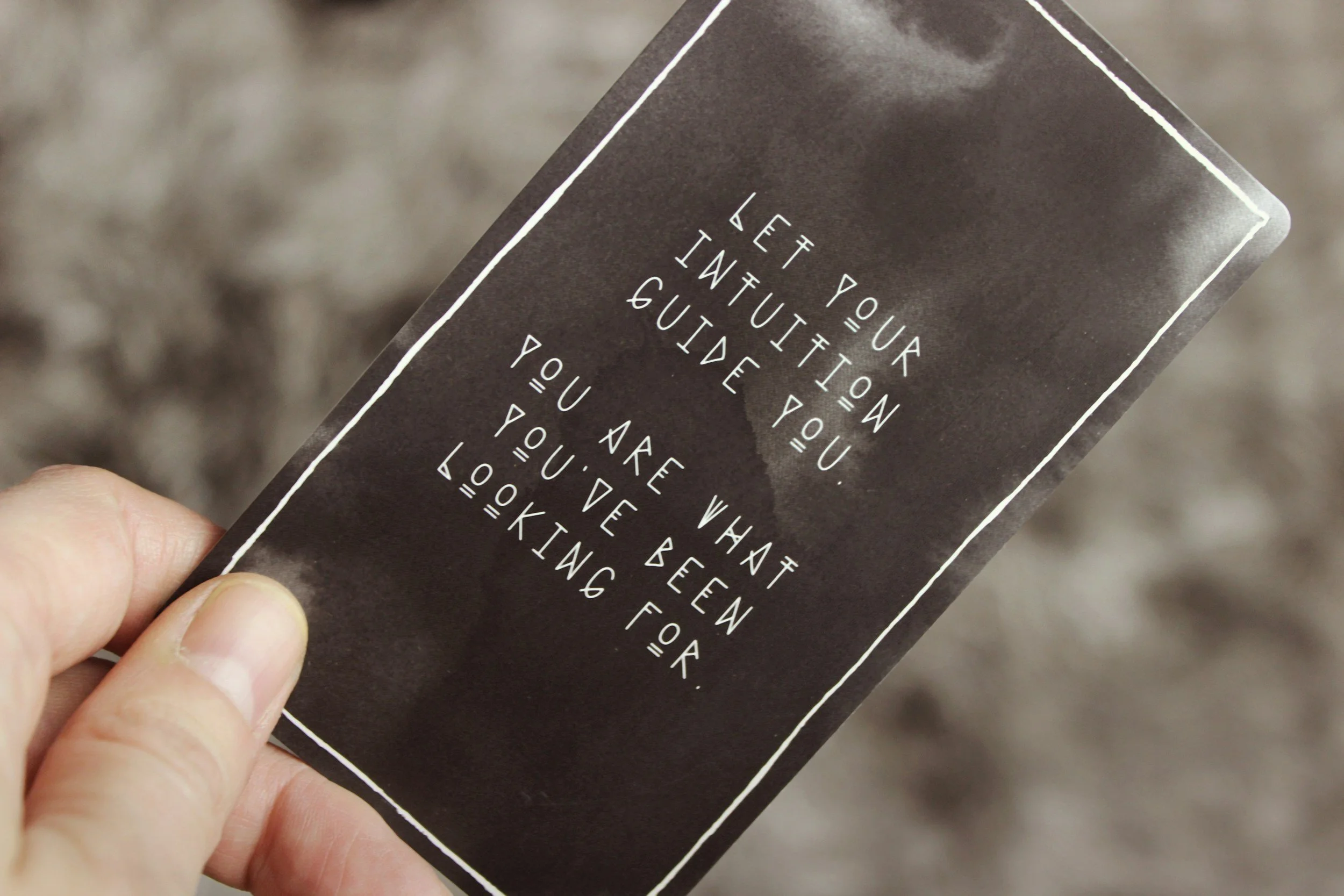
I’m not usually one for New Year’s resolutions. They tend to feel rigid and full of expectations we drop by February. What does resonate more deeply—both personally and clinically—is setting a word of intention for the year ahead.
A single word that guides how we show up.
A quiet anchor.
A reminder of what we’re cultivating—not perfectly, just consistently.
Last year, my word was vulnerable.
And, as a therapist, you might assume I love vulnerability. I invite clients into vulnerability every day… but practicing it myself is a completely different experience.
My intention was to expand outside my comfort zone:
to share how I was actually feeling
to ask for help instead of powering through
to let others support me instead of staying self-contained
Was it comfortable? No.
Was it worth it? Completely.
Vulnerability softened places in me I didn’t realize were tense. It deepened relationships and reminded me what connection feels like—messy, supportive, human.
This year, my word is regulated.
For me, that means finding balance between:
my family
my work
my friendships
and myself
It means listening to my nervous system instead of overriding it. I want to learn what helps my body stay calm more consistently, rather than constantly recovering from dysregulation or burnout cycles.
Maybe you’re craving something similar—less urgency, more presence. Less reacting, more responding. Less survival, more intentional living.
How to Choose Your Word of Intention
You don’t need the “perfect” word. You need a word that reflects the direction you want to move toward. Here’s a simple process I walk clients through:
1. Reflect on the past year
Ask yourself:
What was draining?
What helped me grow?
What patterns am I ready to loosen?
Your emotional patterns can reveal what you’re yearning for.
2. Notice where your body pulls toward something
Sometimes your body selects the word before your mind does:
grounded
open
connection
rest
trust
boundaries
play
Pay attention to what feels expansive rather than restrictive.
3. Choose one word—not a list
One word creates clarity.
Many intentions dilute each other.
How to Give Your Word Meaning Through the Year
This step matters more than choosing the word itself. A word becomes powerful when it’s practiced—not just declared.
Try these grounding practices:
✔ Define what your word means to you
Journal a few sentences or bullet points.
What will this look like in daily life?
✔ Identify small actions aligned with your word
Not dramatic transformations—small aligned behaviors.
For regulated, actions might be:
saying no to one thing a week
pausing before responding
choosing connection over productivity
✔ Create visual reminders
Place it:
on your bathroom mirror
phone wallpaper
planner
car dashboard
Your nervous system learns through repetition.
✔ Check in monthly
Ask:
Where did I practice my word?
Where did I drift from it?
What support do I need next?
There is no timeline, no deadline, no failing—there is only returning.
This Year, Choose a Word That Supports Your Nervous System
A word of intention is not a resolution.
It’s a relationship you build with yourself across the year.
Whether your word is peace, patience, connection, rest, boundaries, or something else entirely—let it be a gentle guide rather than a demand.
This year, I’m choosing regulated.
Not perfection, not control, but steady grounding—body, mind, and heart.
And maybe this is your reminder:
You deserve a year that feels calmer.
More connected.
More intentional.
If you choose a word for the year, I’d love to hear what it is. Email me at casey@sageandsoultherapy.com